An island that remembers everything
From colonial banishment to apartheid imprisonment, Robben Island holds stories that still shape South Africa today.
Table of Contents
Before the prison: an island of exile
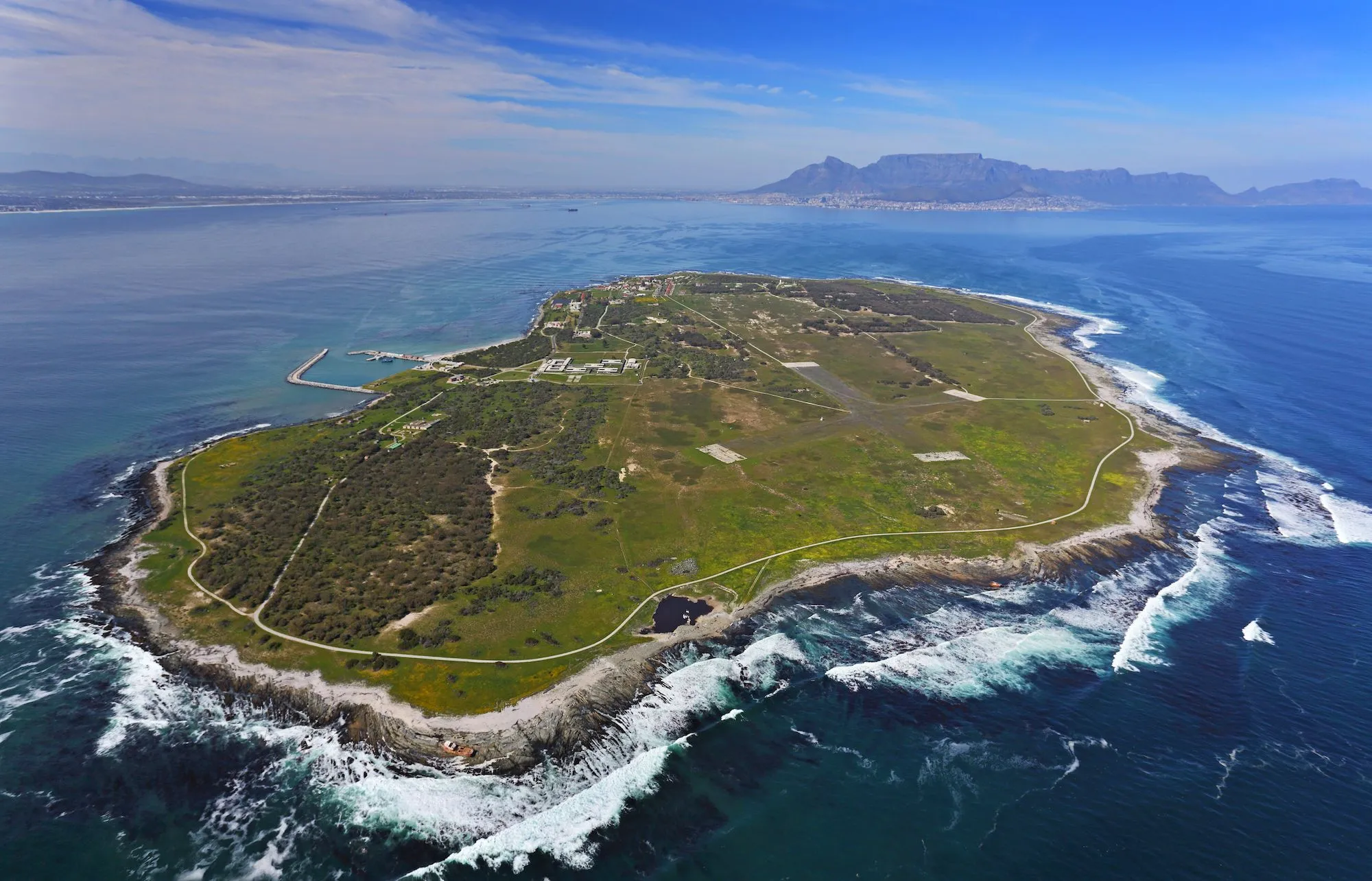
Long before Robben Island became globally known as a prison for anti apartheid leaders, it already carried a hard reputation in the Cape. Its position in Table Bay made it useful to authorities who wanted distance, control, and silence. Across different eras, people were sent there not because the island offered comfort or community, but precisely because it did not. It was used as a place where unwanted voices could be removed from public life and hidden beyond the line of daily urban visibility. The crossing was short in nautical terms, yet politically enormous: once sent there, people were physically close to Cape Town and still profoundly cut off from it.
That early pattern matters because it reveals continuity. Robben Island did not suddenly become a site of injustice in the twentieth century. It had already been shaped by governing systems that used geography as punishment. Isolation was policy, not accident. As visitors stand on the island today and look back toward the city skyline, the paradox becomes clear: the distance is visible, almost modest, but historically it functioned as a wall. This tension between nearness and separation is one of the deepest themes of the island's long story.
Colonial control and forced isolation
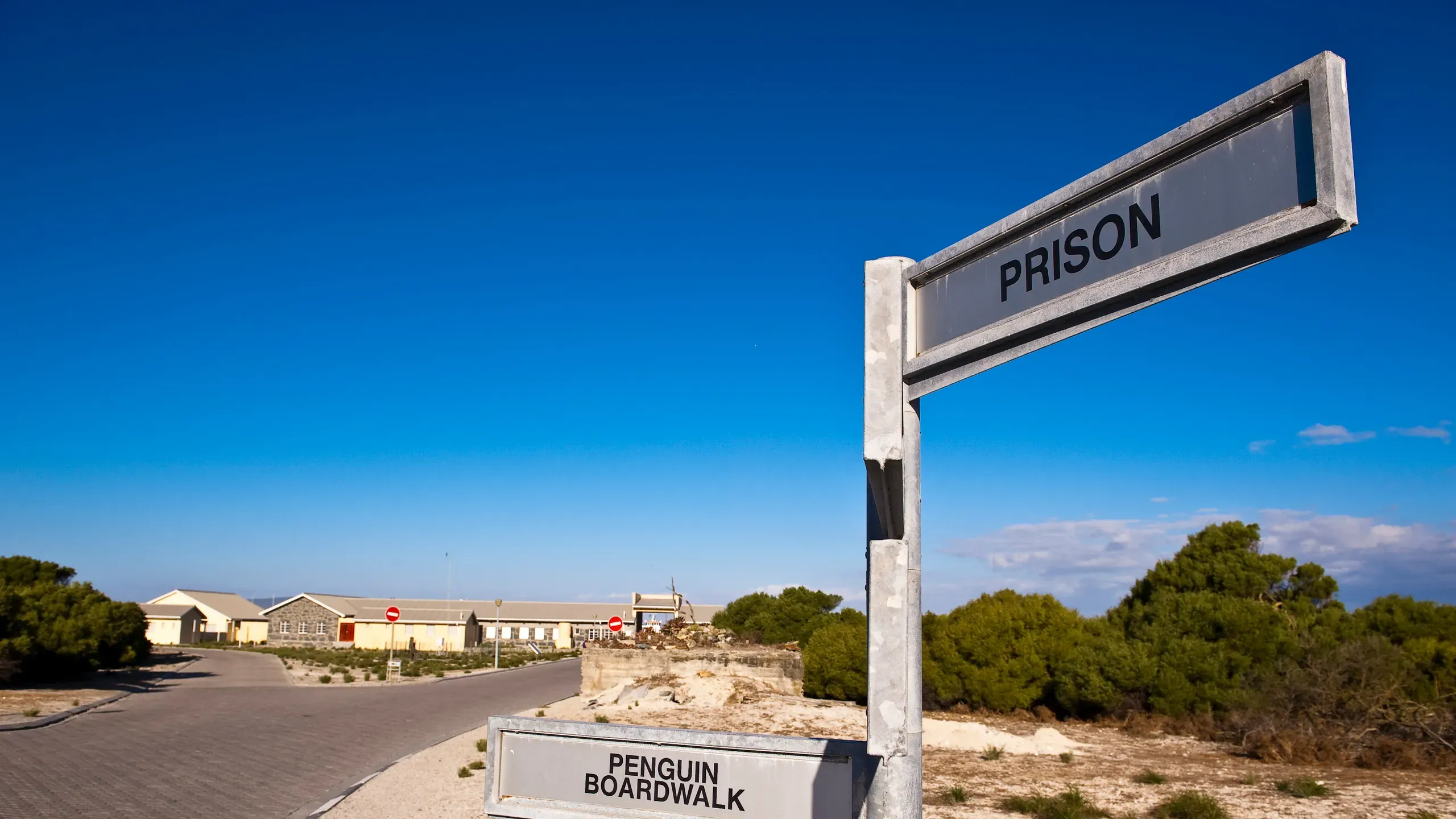
Under colonial administration, Robben Island was repeatedly used to confine people considered troublesome, dangerous, or inconvenient to governing authority. Political dissidents, social outcasts, and medically stigmatized communities could be relocated there under systems that treated forced removal as administrative order. The island's wind, rough ground, and logistical difficulty were not side details. They were part of the mechanism. To place someone on Robben Island was to impose a regime of deprivation through space itself.
In this period, records and memories show a recurring logic: classify, separate, and contain. The same island landscape that visitors now experience as dramatic and open was once a scaffold for closed lives and limited agency. Recognizing this early colonial chapter helps visitors understand that apartheid did not emerge from nowhere. It intensified older structures of racial hierarchy and coercive management that had already been practiced for generations in the Cape.
Segregation systems before apartheid
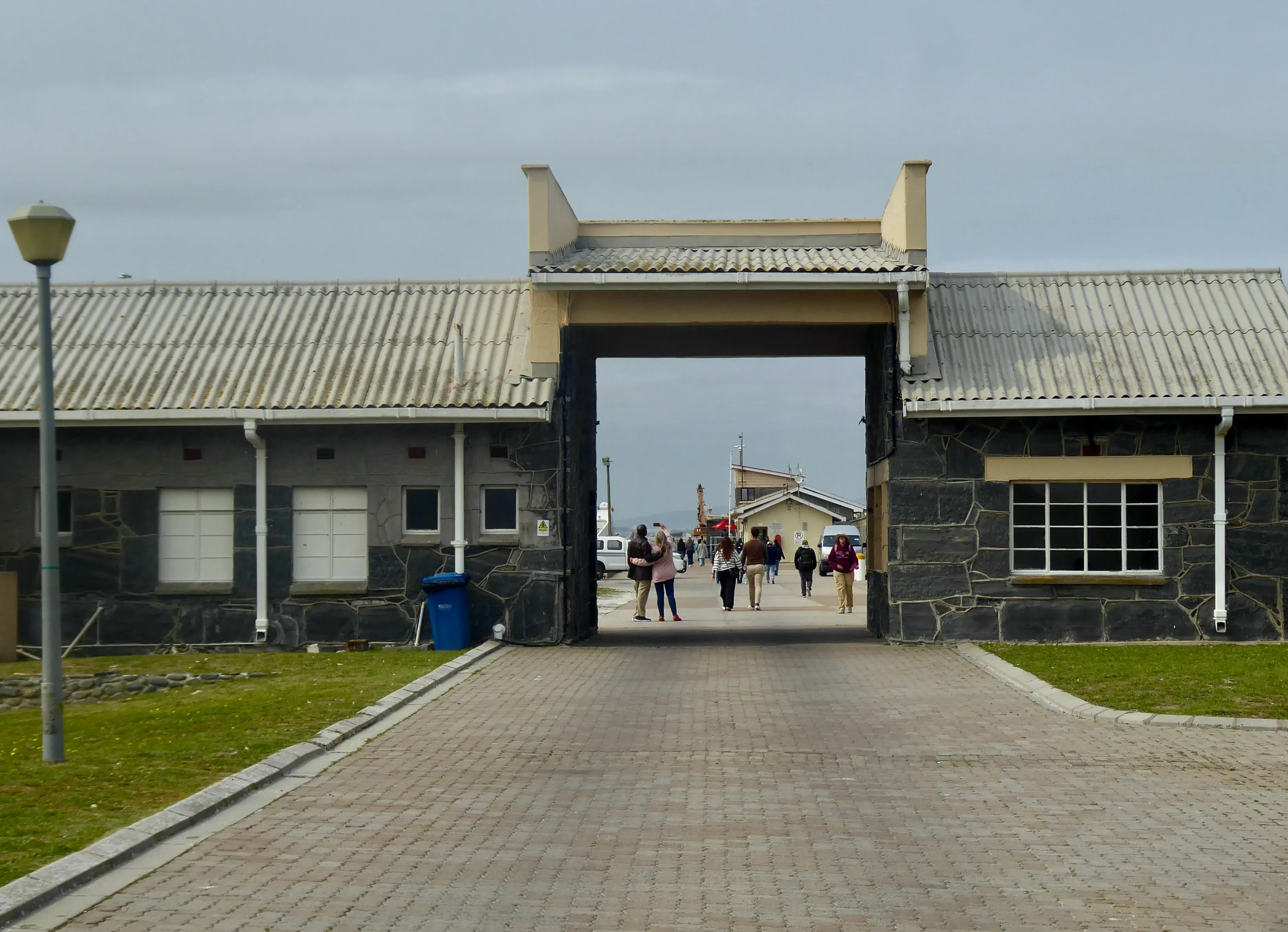
Before apartheid became formal state doctrine in 1948, South Africa already operated through layered systems of racial segregation, labor control, and unequal legal status. Robben Island reflected these patterns in institutional use, social separation, and who was deemed disposable by policy. Rules could vary by era, but the pattern remained familiar: people with less political power bore the heaviest burdens of confinement, surveillance, and restricted movement.
This pre apartheid context is essential for historical accuracy. It allows visitors to see apartheid not as a sudden break but as an escalated and codified extension of older practices. On Robben Island, that continuity is tangible. Different buildings, routines, and administrative arrangements changed over time, yet the larger purpose of exclusion persisted. Walking through the site today means tracing that long arc from colonial governance to the machinery of modern racial authoritarianism.
The rise of apartheid and political imprisonment
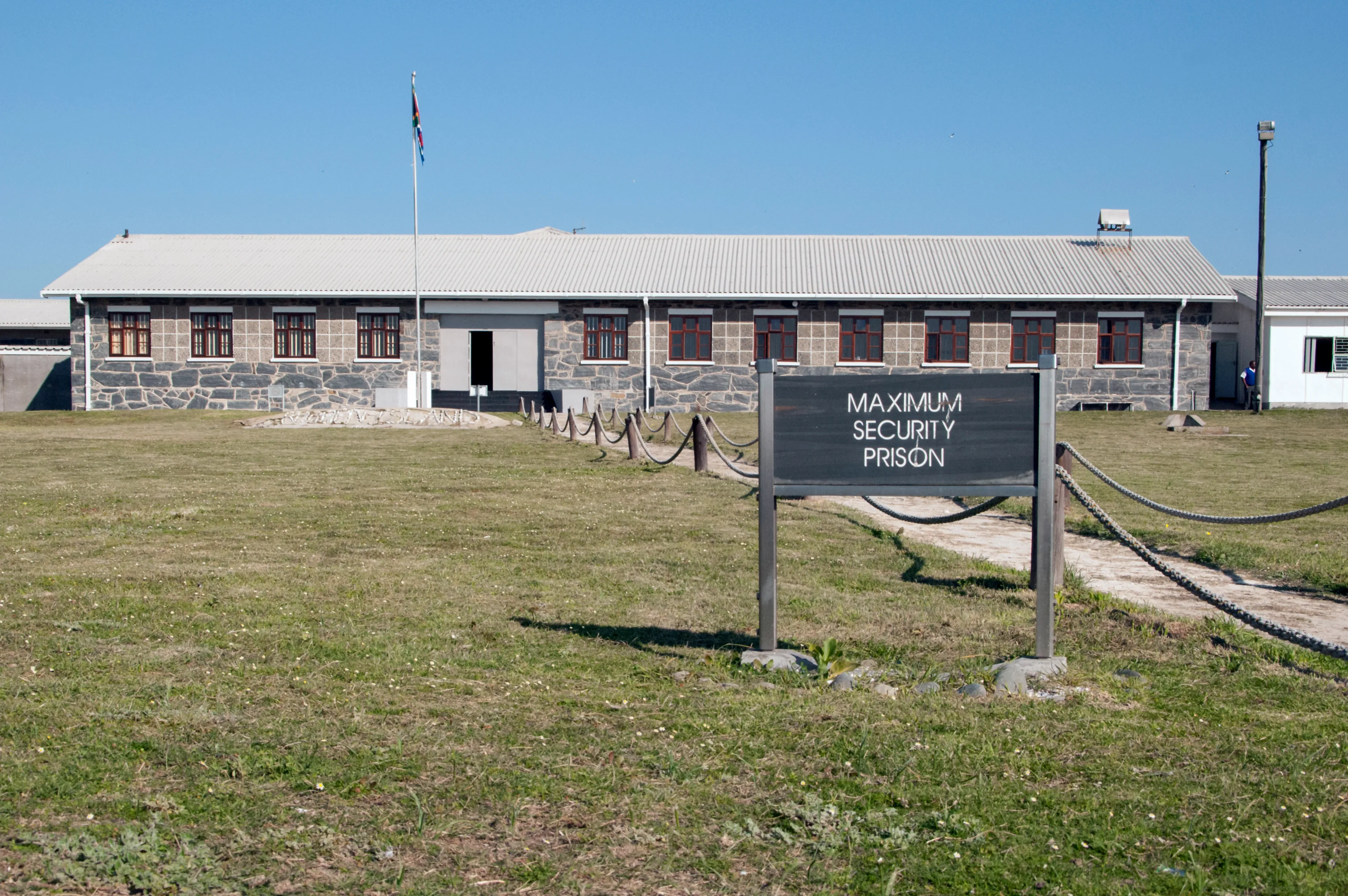
As apartheid laws expanded in the mid twentieth century, the state transformed Robben Island into a central site for imprisoning political opponents. Activists from liberation movements, trade union circles, and broader anti apartheid networks were sent there under severe sentencing regimes. The prison became a calculated instrument: remove influential organizers, fragment their communities, and project a warning to anyone resisting racial rule. The architecture of confinement and the bureaucracy of punishment worked together to enforce silence.
Yet even in that design, the state failed to extinguish political imagination. Prisoners debated strategy, educated one another, and sustained collective discipline under extraordinary pressure. Accounts from former inmates describe deprivation and humiliation, but also sharp intellectual life and mutual care. Robben Island during apartheid was therefore both a site of repression and a site where resistance adapted, endured, and in many ways deepened.
Daily life inside the maximum security prison
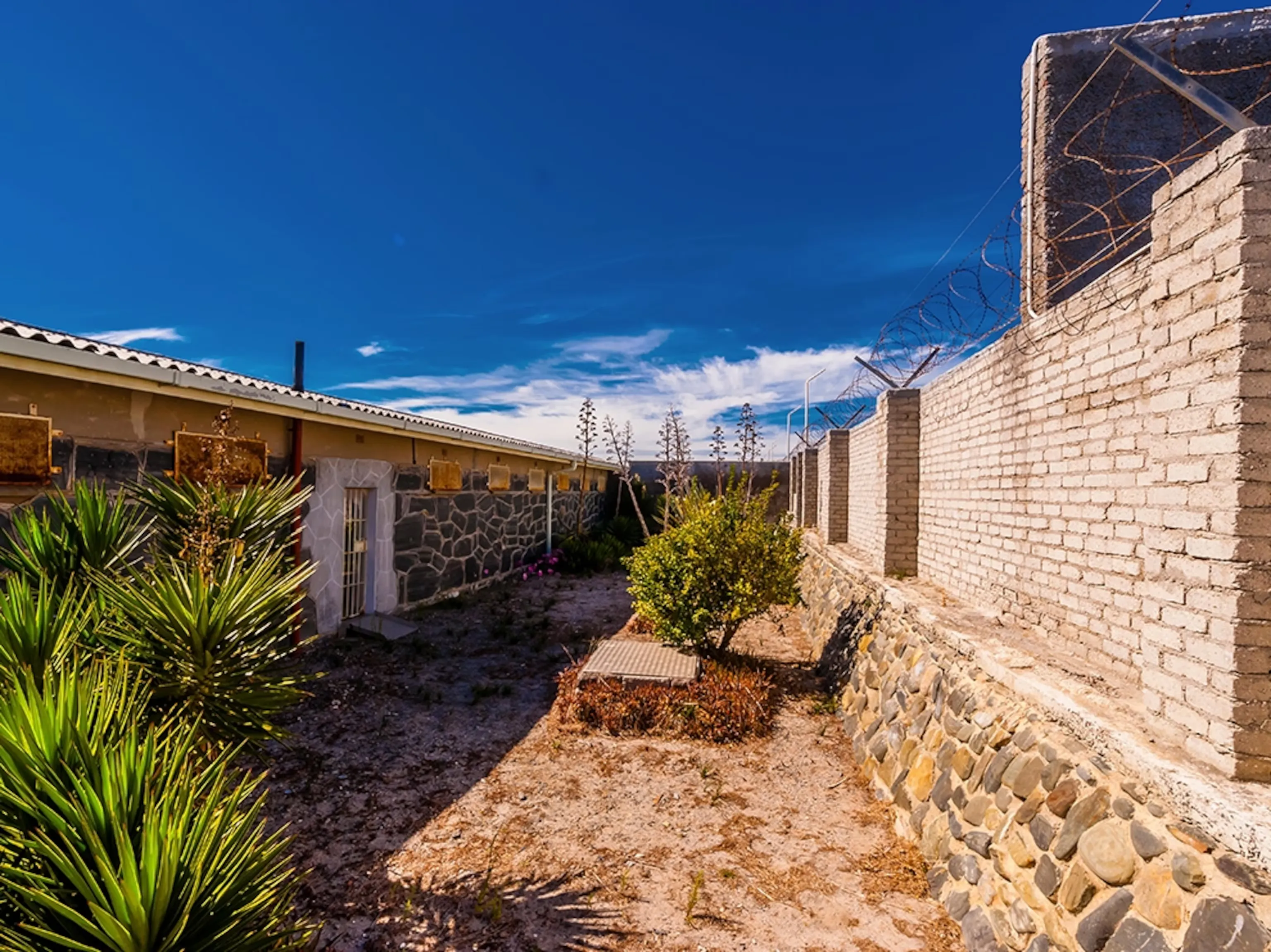
Daily life in the maximum security prison was tightly regulated and intentionally dehumanizing. Cells were small, possessions limited, and routines repetitive. Meals, clothing, correspondence, and visitation were controlled by rank based systems that reflected apartheid ideology inside the prison itself. Hard labor, strict discipline, and constant surveillance shaped each day. Time could feel suspended, with years marked less by personal milestones than by institutional schedules and denied requests.
And still, prisoners developed methods of survival that were practical, intellectual, and emotional. They created informal classrooms, exchanged political texts through improvised channels, and mentored younger inmates in history, law, and strategy. Humor also mattered. So did ritual. So did the stubborn insistence on dignity in ordinary acts: keeping a space orderly, sharing scarce resources, memorizing speeches, or discussing future constitutional ideas while locked behind bars. These details complicate the image of prison life by showing both cruelty and profound human agency.
Nelson Mandela and fellow political leaders
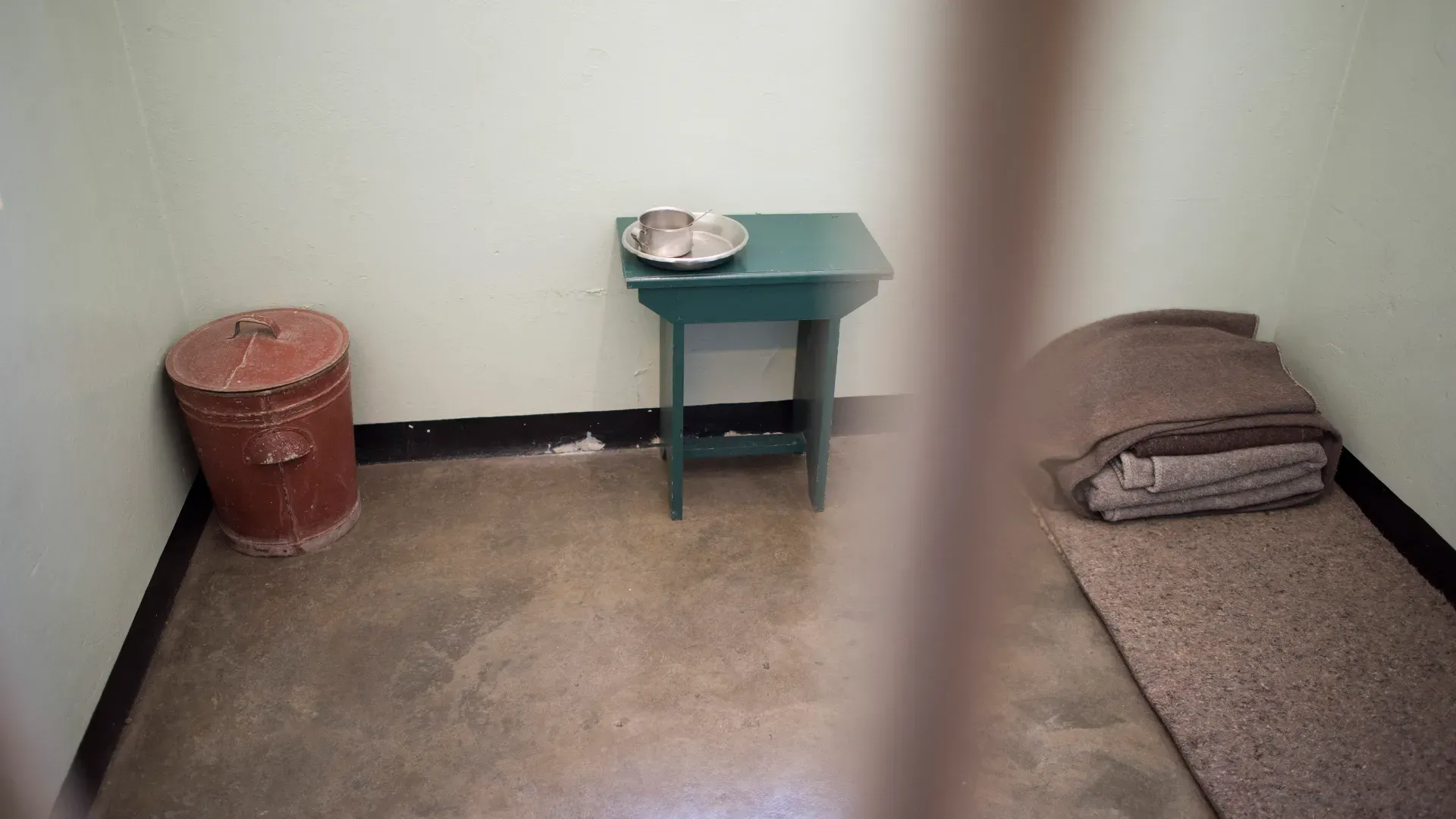
Robben Island became globally associated with Nelson Mandela, who spent many years imprisoned there, but the island's historical significance also includes many other political prisoners whose contributions were decisive. Leaders, organizers, thinkers, and community activists from different backgrounds shared confinement and shaped each other through long years of debate and discipline. The prison environment, intended to isolate individuals, became a place where collective leadership matured under pressure.
For visitors, this broader lens is important. Mandela's story is central, but it is not solitary. Robben Island history is a network of lives: people who taught, argued, translated, encouraged, and persisted together. Former prisoners often emphasize this point during tours. They ask visitors to remember not only famous names but also the many less documented individuals whose courage sustained the larger movement and helped prepare South Africa's democratic transition.
Labor, punishment and the lime quarry
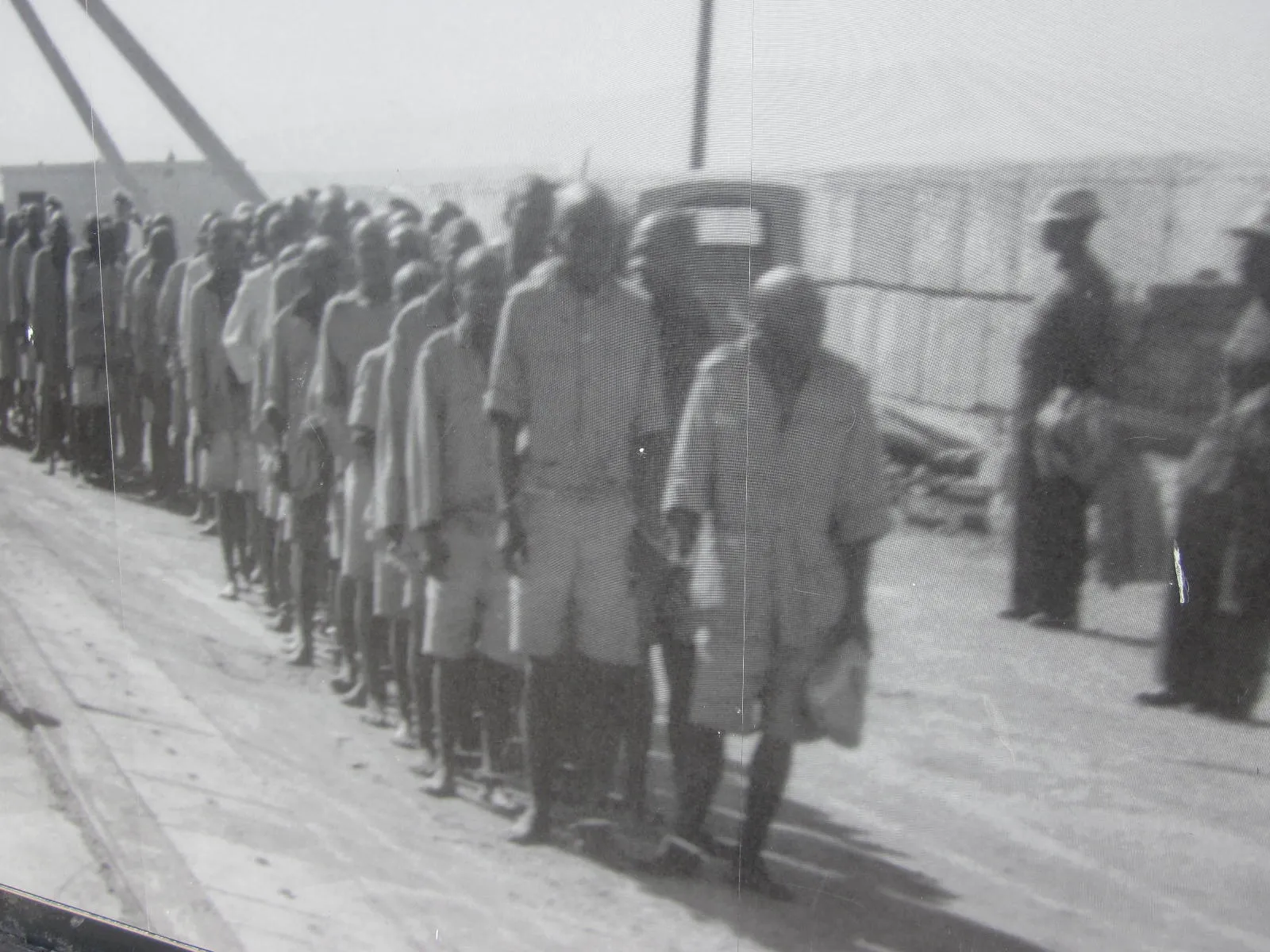
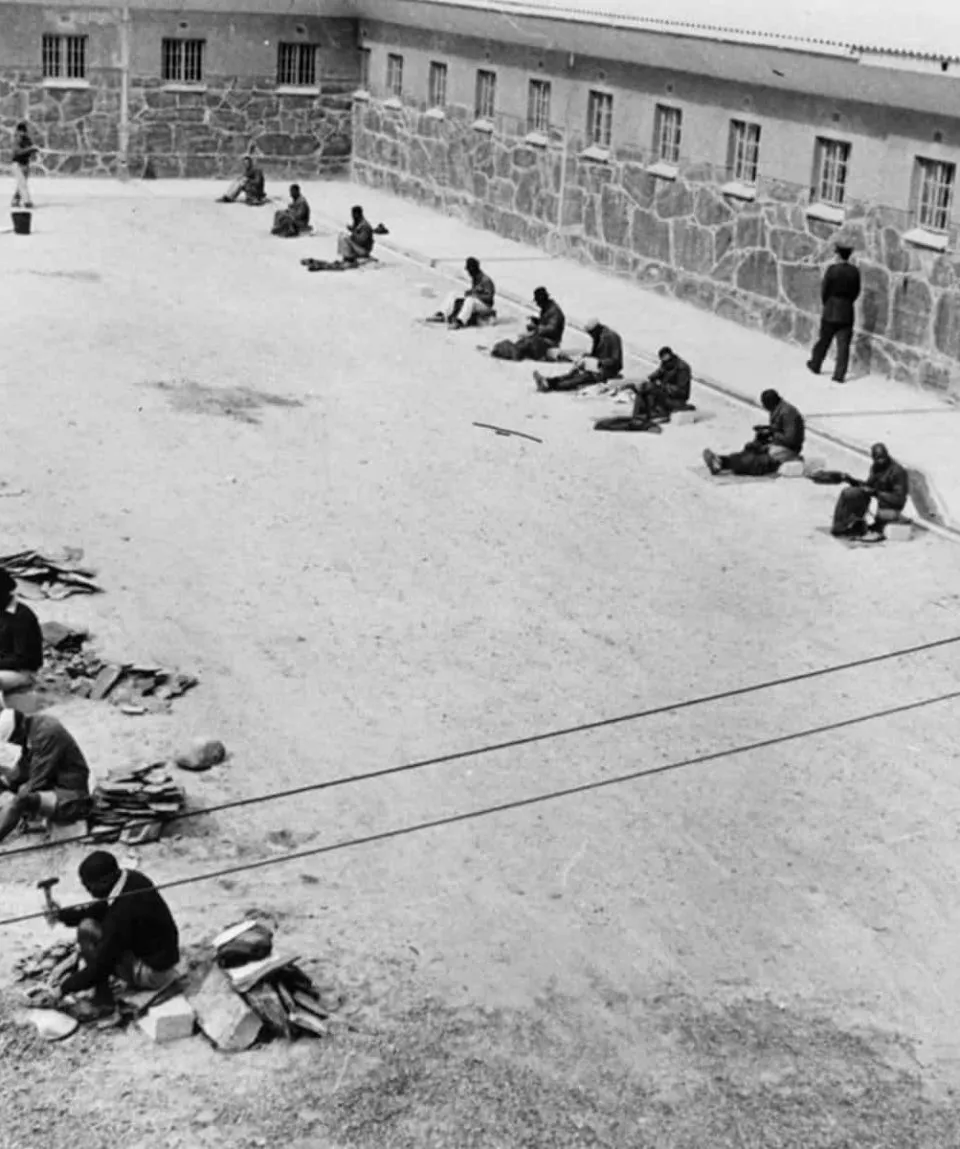
The lime quarry stands as one of the most physically striking and emotionally heavy parts of the island. Prisoners were required to work there under bright glare and difficult conditions that strained eyesight, lungs, and joints over long periods. Labor in the quarry was framed as routine duty, but its punitive function was clear. It imposed exhaustion and reinforced control while leaving lasting health effects for many who endured it.
At the same time, the quarry became a site of quiet political exchange. In moments between supervision and labor tasks, prisoners found ways to talk, teach, and reflect. Some described the quarry as a harsh classroom where ideas were tested and sharpened despite surveillance. That duality remains powerful for visitors today: a place designed to break people also became a place where many strengthened one another.
Resistance networks behind bars
Resistance on Robben Island did not always look dramatic. It often took the form of discipline, shared study, collective petitions, and strategic negotiation with authorities over conditions and rights. Prisoners built internal communication systems, distributed knowledge across age groups, and maintained political education under intense restriction. Even small gains, such as improved reading access or procedural fairness, were often hard won and part of larger struggles for dignity.
These networks mattered beyond the prison walls. Ideas refined on the island flowed back into liberation politics through released prisoners, legal channels, and community structures. Robben Island therefore functioned not only as a site of state punishment but also as a space where future democratic leadership practices were rehearsed in compressed and difficult form. Understanding this helps explain why the island is remembered not merely as a prison, but as a crucible of political endurance.
International pressure and shifting politics
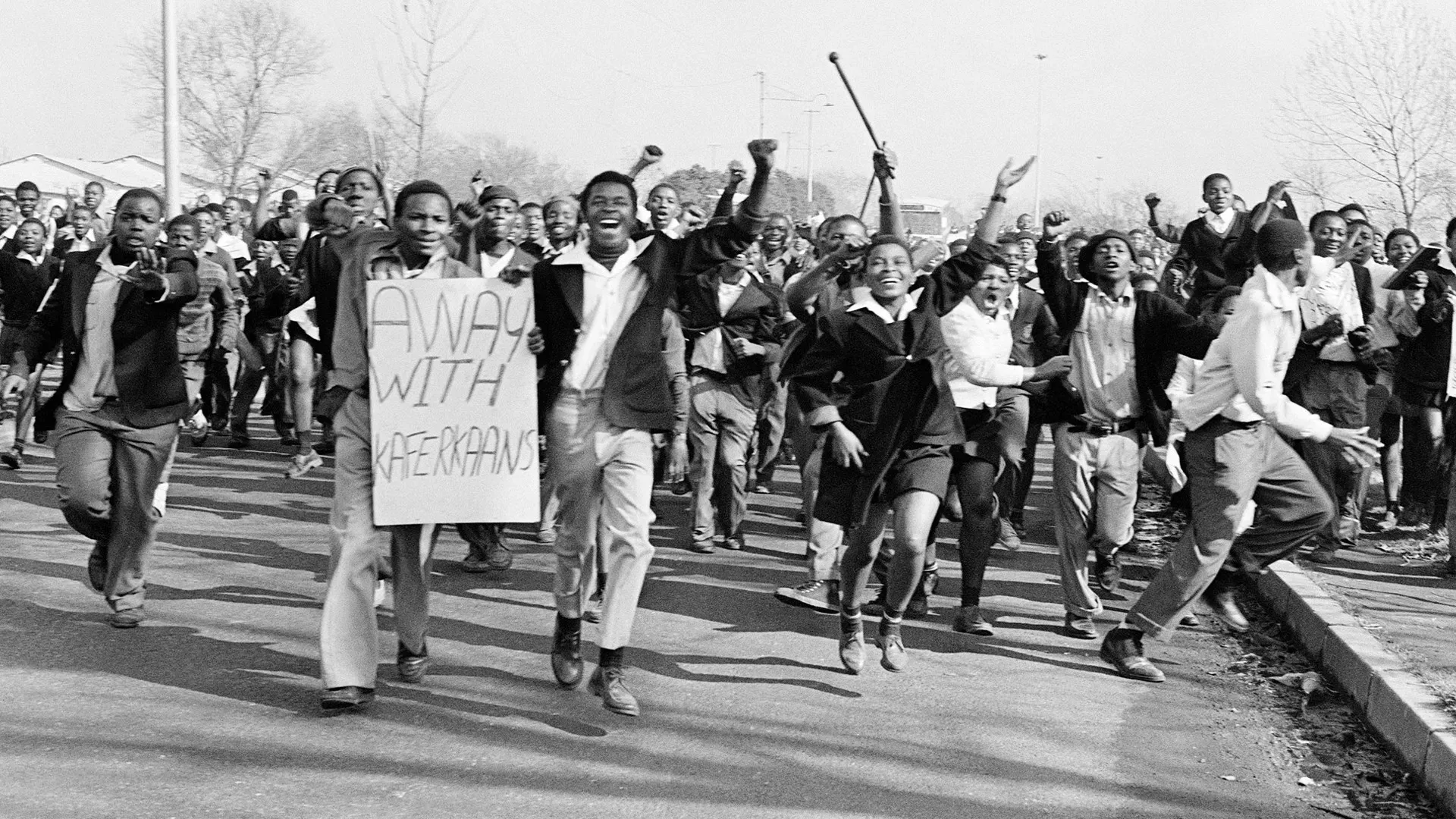
By the late twentieth century, internal resistance and international pressure increasingly constrained apartheid's legitimacy. Sanctions campaigns, diplomatic criticism, labor activism, student mobilization, and global media attention created cumulative pressure that the state could not easily contain. Robben Island, once intended as a remote instrument of fear, became a symbol recognized around the world as evidence of systemic injustice.
Former prisoners have often noted that global solidarity did not replace local struggle, but it amplified it. External pressure and internal organizing worked together in uneven but consequential ways. As negotiations and political reforms advanced, the prison's meaning shifted in public consciousness. What had been hidden became central to national and international narratives about accountability, reconciliation, and democratic possibility.
Closure, transition and national memory
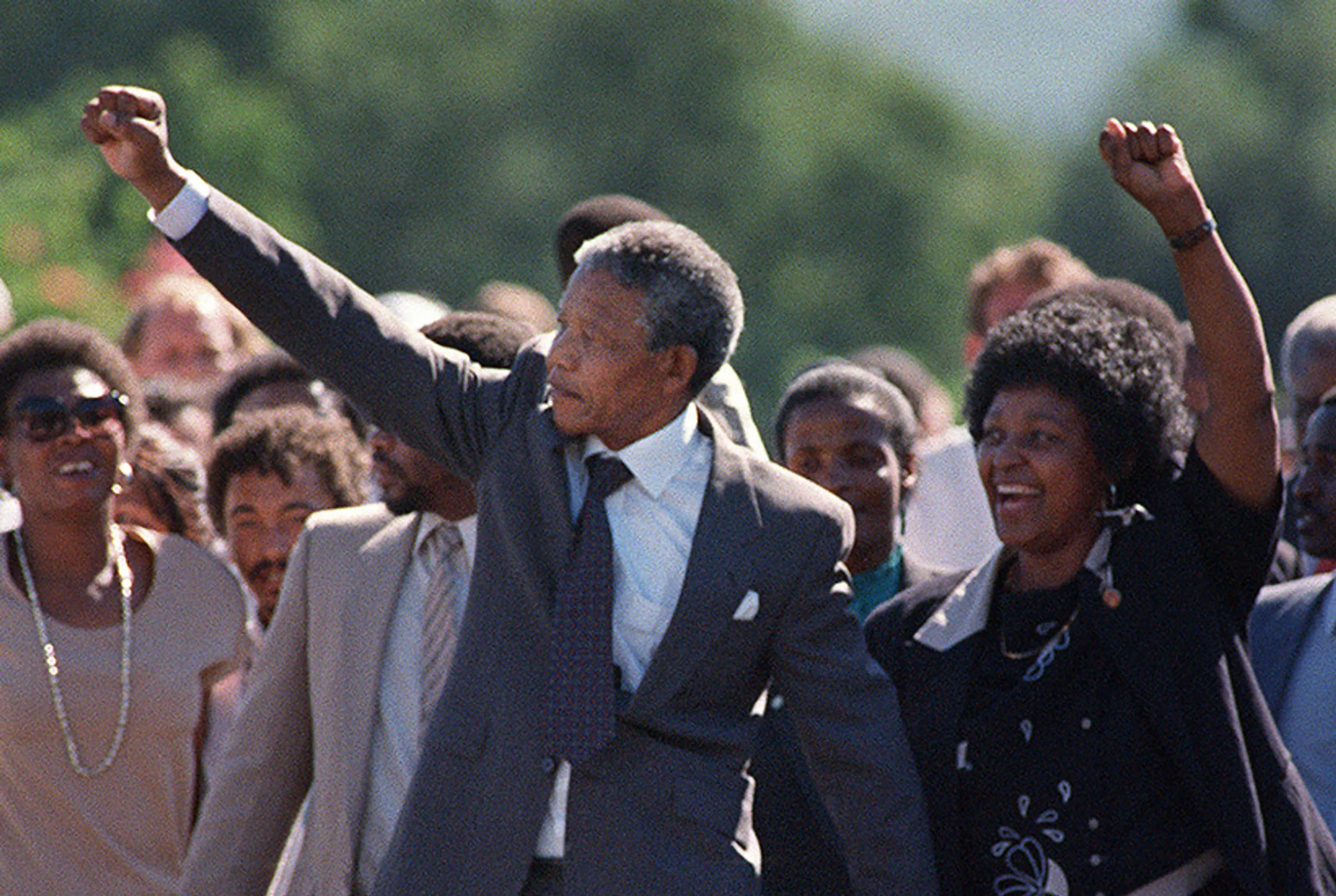
The closure of Robben Island as a prison marked a major historical transition, but closure did not automatically settle memory. Post apartheid South Africa faced the difficult task of how to preserve painful sites without flattening their complexity. Robben Island moved from active incarceration to heritage interpretation, requiring decisions about archives, restoration, testimony, and visitor education. Each decision carried ethical weight.
As a memory site, the island now serves multiple roles at once: national symbol, educational destination, research resource, and place of mourning and reflection. Visitors arrive with different expectations, from historical inquiry to personal pilgrimage. The museum's ongoing challenge is to meet those expectations while maintaining factual rigor and honoring the people whose lives were shaped by confinement. This work is dynamic rather than finished, because public memory is never static.
From prison to museum site
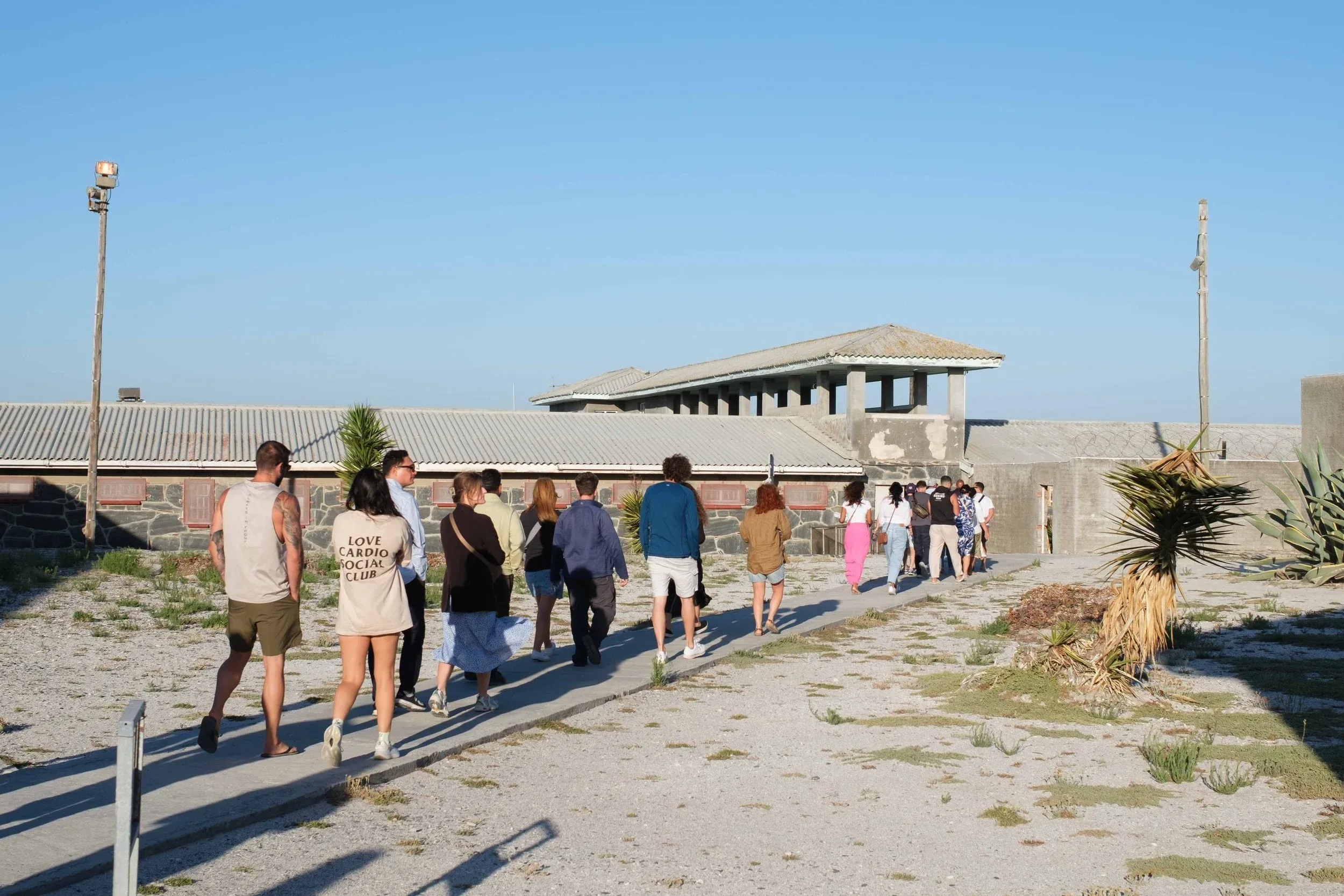
Transforming Robben Island into a museum required more than opening gates to tourists. It involved curatorial choices about what to preserve, what to contextualize, and how to present conflicting memories responsibly. Buildings had to be stabilized, collections managed, and interpretive frameworks developed around testimony, records, and material remains. The objective was not to sanitize suffering, but to make it legible and instructive for future generations.
One of the museum's defining strengths is the use of lived voice in interpretation. Hearing former political prisoners or deeply informed guides speak in the actual spaces where events occurred can shift visitors from passive observation to active listening. This approach carries emotional intensity, and it also requires ongoing care, support, and ethical practice. Heritage work here is not neutral display. It is a continuing social commitment.
How to visit with context and respect
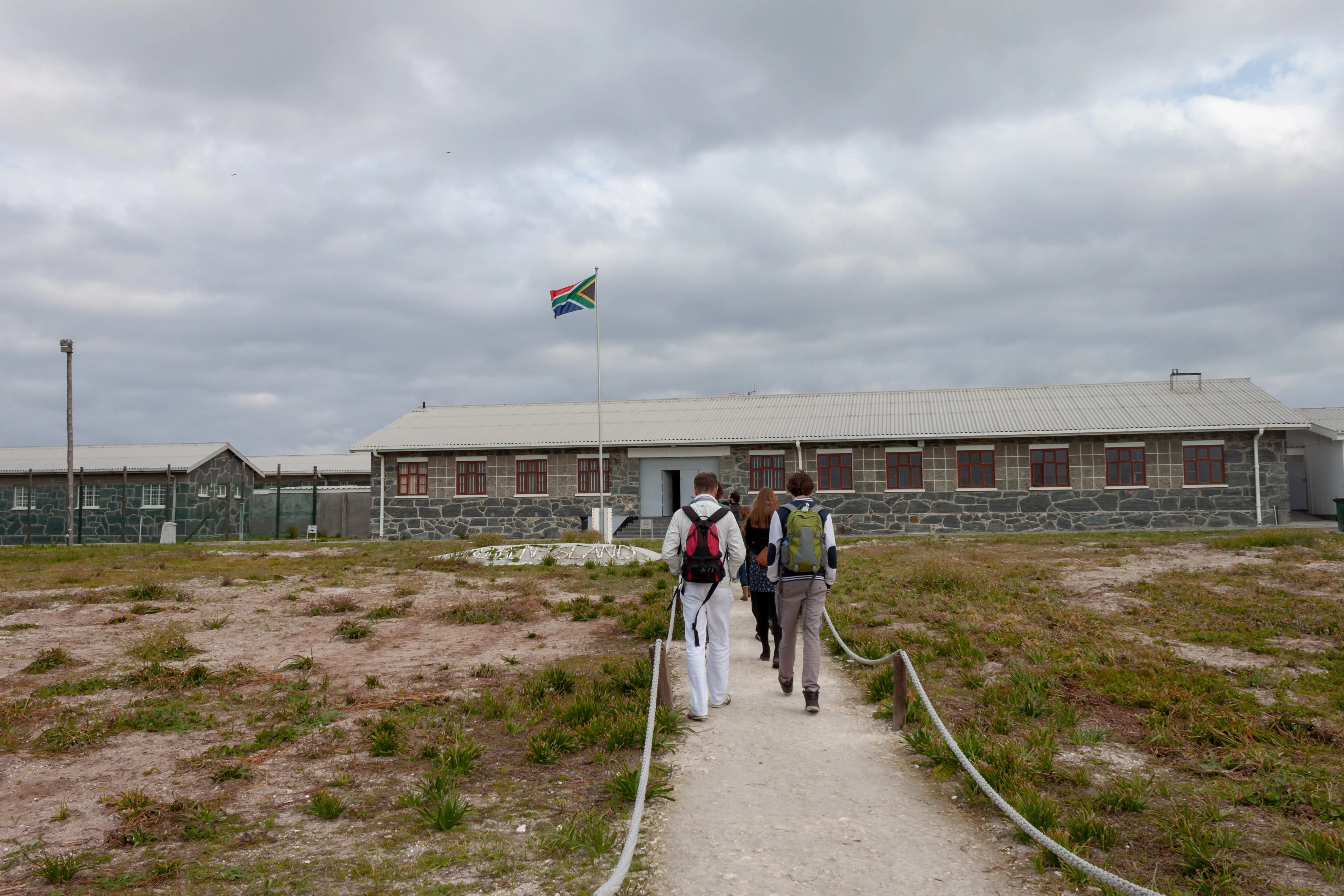
A respectful visit starts before boarding. Read a little history, arrive on time, and understand that this is not a conventional attraction centered on entertainment. While photography is often permitted in many areas, context matters. People around you may be processing difficult emotions, and guides may be sharing deeply personal accounts. Listening carefully, asking thoughtful questions, and avoiding rushed behavior improves the experience for everyone.
Practical preparation also helps. Bring layers for changing wind conditions, comfortable shoes, water, and enough time after your return in case operations run later than expected. Most importantly, carry curiosity with humility. Robben Island does not offer simple moral comfort. It offers evidence, memory, and the chance to reflect on how ordinary systems can normalize extraordinary harm unless challenged.
Why Robben Island still matters now
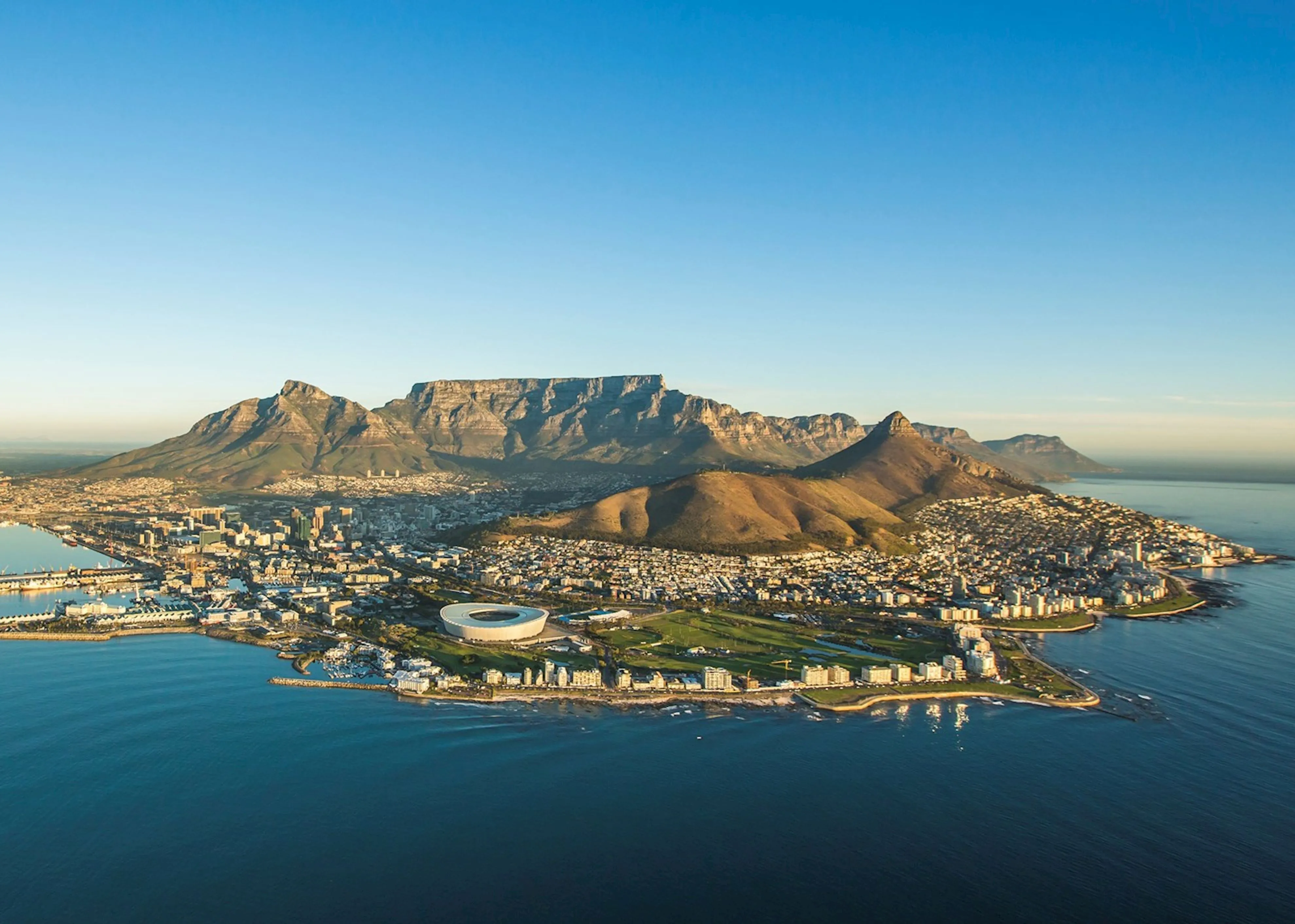
Robben Island matters because it links past injustice to present responsibility. It shows what can happen when law is detached from equality and when institutions are engineered to devalue human life by race and status. But it also documents how organized resistance, ethical leadership, and collective discipline can survive under severe repression. In that sense, the island is both warning and resource.
For many visitors, the strongest memory is not a single building or artifact but a shift in perspective. The visit turns abstract terms like apartheid, dignity, and democracy into concrete realities tied to names, spaces, and choices. Robben Island remains relevant precisely because its lessons are not locked to one era. They continue to ask urgent questions about justice, power, and what societies choose to remember.
Table of Contents
Before the prison: an island of exile
Long before Robben Island became globally known as a prison for anti apartheid leaders, it already carried a hard reputation in the Cape. Its position in Table Bay made it useful to authorities who wanted distance, control, and silence. Across different eras, people were sent there not because the island offered comfort or community, but precisely because it did not. It was used as a place where unwanted voices could be removed from public life and hidden beyond the line of daily urban visibility. The crossing was short in nautical terms, yet politically enormous: once sent there, people were physically close to Cape Town and still profoundly cut off from it.
That early pattern matters because it reveals continuity. Robben Island did not suddenly become a site of injustice in the twentieth century. It had already been shaped by governing systems that used geography as punishment. Isolation was policy, not accident. As visitors stand on the island today and look back toward the city skyline, the paradox becomes clear: the distance is visible, almost modest, but historically it functioned as a wall. This tension between nearness and separation is one of the deepest themes of the island's long story.
Colonial control and forced isolation
Under colonial administration, Robben Island was repeatedly used to confine people considered troublesome, dangerous, or inconvenient to governing authority. Political dissidents, social outcasts, and medically stigmatized communities could be relocated there under systems that treated forced removal as administrative order. The island's wind, rough ground, and logistical difficulty were not side details. They were part of the mechanism. To place someone on Robben Island was to impose a regime of deprivation through space itself.
In this period, records and memories show a recurring logic: classify, separate, and contain. The same island landscape that visitors now experience as dramatic and open was once a scaffold for closed lives and limited agency. Recognizing this early colonial chapter helps visitors understand that apartheid did not emerge from nowhere. It intensified older structures of racial hierarchy and coercive management that had already been practiced for generations in the Cape.
Segregation systems before apartheid
Before apartheid became formal state doctrine in 1948, South Africa already operated through layered systems of racial segregation, labor control, and unequal legal status. Robben Island reflected these patterns in institutional use, social separation, and who was deemed disposable by policy. Rules could vary by era, but the pattern remained familiar: people with less political power bore the heaviest burdens of confinement, surveillance, and restricted movement.
This pre apartheid context is essential for historical accuracy. It allows visitors to see apartheid not as a sudden break but as an escalated and codified extension of older practices. On Robben Island, that continuity is tangible. Different buildings, routines, and administrative arrangements changed over time, yet the larger purpose of exclusion persisted. Walking through the site today means tracing that long arc from colonial governance to the machinery of modern racial authoritarianism.
The rise of apartheid and political imprisonment
As apartheid laws expanded in the mid twentieth century, the state transformed Robben Island into a central site for imprisoning political opponents. Activists from liberation movements, trade union circles, and broader anti apartheid networks were sent there under severe sentencing regimes. The prison became a calculated instrument: remove influential organizers, fragment their communities, and project a warning to anyone resisting racial rule. The architecture of confinement and the bureaucracy of punishment worked together to enforce silence.
Yet even in that design, the state failed to extinguish political imagination. Prisoners debated strategy, educated one another, and sustained collective discipline under extraordinary pressure. Accounts from former inmates describe deprivation and humiliation, but also sharp intellectual life and mutual care. Robben Island during apartheid was therefore both a site of repression and a site where resistance adapted, endured, and in many ways deepened.
Daily life inside the maximum security prison
Daily life in the maximum security prison was tightly regulated and intentionally dehumanizing. Cells were small, possessions limited, and routines repetitive. Meals, clothing, correspondence, and visitation were controlled by rank based systems that reflected apartheid ideology inside the prison itself. Hard labor, strict discipline, and constant surveillance shaped each day. Time could feel suspended, with years marked less by personal milestones than by institutional schedules and denied requests.
And still, prisoners developed methods of survival that were practical, intellectual, and emotional. They created informal classrooms, exchanged political texts through improvised channels, and mentored younger inmates in history, law, and strategy. Humor also mattered. So did ritual. So did the stubborn insistence on dignity in ordinary acts: keeping a space orderly, sharing scarce resources, memorizing speeches, or discussing future constitutional ideas while locked behind bars. These details complicate the image of prison life by showing both cruelty and profound human agency.
Nelson Mandela and fellow political leaders
Robben Island became globally associated with Nelson Mandela, who spent many years imprisoned there, but the island's historical significance also includes many other political prisoners whose contributions were decisive. Leaders, organizers, thinkers, and community activists from different backgrounds shared confinement and shaped each other through long years of debate and discipline. The prison environment, intended to isolate individuals, became a place where collective leadership matured under pressure.
For visitors, this broader lens is important. Mandela's story is central, but it is not solitary. Robben Island history is a network of lives: people who taught, argued, translated, encouraged, and persisted together. Former prisoners often emphasize this point during tours. They ask visitors to remember not only famous names but also the many less documented individuals whose courage sustained the larger movement and helped prepare South Africa's democratic transition.
Labor, punishment and the lime quarry
The lime quarry stands as one of the most physically striking and emotionally heavy parts of the island. Prisoners were required to work there under bright glare and difficult conditions that strained eyesight, lungs, and joints over long periods. Labor in the quarry was framed as routine duty, but its punitive function was clear. It imposed exhaustion and reinforced control while leaving lasting health effects for many who endured it.
At the same time, the quarry became a site of quiet political exchange. In moments between supervision and labor tasks, prisoners found ways to talk, teach, and reflect. Some described the quarry as a harsh classroom where ideas were tested and sharpened despite surveillance. That duality remains powerful for visitors today: a place designed to break people also became a place where many strengthened one another.
Resistance networks behind bars
Resistance on Robben Island did not always look dramatic. It often took the form of discipline, shared study, collective petitions, and strategic negotiation with authorities over conditions and rights. Prisoners built internal communication systems, distributed knowledge across age groups, and maintained political education under intense restriction. Even small gains, such as improved reading access or procedural fairness, were often hard won and part of larger struggles for dignity.
These networks mattered beyond the prison walls. Ideas refined on the island flowed back into liberation politics through released prisoners, legal channels, and community structures. Robben Island therefore functioned not only as a site of state punishment but also as a space where future democratic leadership practices were rehearsed in compressed and difficult form. Understanding this helps explain why the island is remembered not merely as a prison, but as a crucible of political endurance.
International pressure and shifting politics
By the late twentieth century, internal resistance and international pressure increasingly constrained apartheid's legitimacy. Sanctions campaigns, diplomatic criticism, labor activism, student mobilization, and global media attention created cumulative pressure that the state could not easily contain. Robben Island, once intended as a remote instrument of fear, became a symbol recognized around the world as evidence of systemic injustice.
Former prisoners have often noted that global solidarity did not replace local struggle, but it amplified it. External pressure and internal organizing worked together in uneven but consequential ways. As negotiations and political reforms advanced, the prison's meaning shifted in public consciousness. What had been hidden became central to national and international narratives about accountability, reconciliation, and democratic possibility.
Closure, transition and national memory
The closure of Robben Island as a prison marked a major historical transition, but closure did not automatically settle memory. Post apartheid South Africa faced the difficult task of how to preserve painful sites without flattening their complexity. Robben Island moved from active incarceration to heritage interpretation, requiring decisions about archives, restoration, testimony, and visitor education. Each decision carried ethical weight.
As a memory site, the island now serves multiple roles at once: national symbol, educational destination, research resource, and place of mourning and reflection. Visitors arrive with different expectations, from historical inquiry to personal pilgrimage. The museum's ongoing challenge is to meet those expectations while maintaining factual rigor and honoring the people whose lives were shaped by confinement. This work is dynamic rather than finished, because public memory is never static.
From prison to museum site
Transforming Robben Island into a museum required more than opening gates to tourists. It involved curatorial choices about what to preserve, what to contextualize, and how to present conflicting memories responsibly. Buildings had to be stabilized, collections managed, and interpretive frameworks developed around testimony, records, and material remains. The objective was not to sanitize suffering, but to make it legible and instructive for future generations.
One of the museum's defining strengths is the use of lived voice in interpretation. Hearing former political prisoners or deeply informed guides speak in the actual spaces where events occurred can shift visitors from passive observation to active listening. This approach carries emotional intensity, and it also requires ongoing care, support, and ethical practice. Heritage work here is not neutral display. It is a continuing social commitment.
How to visit with context and respect
A respectful visit starts before boarding. Read a little history, arrive on time, and understand that this is not a conventional attraction centered on entertainment. While photography is often permitted in many areas, context matters. People around you may be processing difficult emotions, and guides may be sharing deeply personal accounts. Listening carefully, asking thoughtful questions, and avoiding rushed behavior improves the experience for everyone.
Practical preparation also helps. Bring layers for changing wind conditions, comfortable shoes, water, and enough time after your return in case operations run later than expected. Most importantly, carry curiosity with humility. Robben Island does not offer simple moral comfort. It offers evidence, memory, and the chance to reflect on how ordinary systems can normalize extraordinary harm unless challenged.
Why Robben Island still matters now
Robben Island matters because it links past injustice to present responsibility. It shows what can happen when law is detached from equality and when institutions are engineered to devalue human life by race and status. But it also documents how organized resistance, ethical leadership, and collective discipline can survive under severe repression. In that sense, the island is both warning and resource.
For many visitors, the strongest memory is not a single building or artifact but a shift in perspective. The visit turns abstract terms like apartheid, dignity, and democracy into concrete realities tied to names, spaces, and choices. Robben Island remains relevant precisely because its lessons are not locked to one era. They continue to ask urgent questions about justice, power, and what societies choose to remember.